The Ultimate Guide to Custom Streetwear: Printing, Embroidery, and Fabric Choices
- Share
- Issue Time
- May 11,2026
Summary
This comprehensive guide delves into the intricate process of creating high-quality custom streetwear, positioning fashion as a powerful tool for self-expression. It emphasizes foundational choices, starting with fabric selection, where breathable cotton, durable polyester, and versatile blends are explored for their impact on feel, look, and longevity, alongside the critical role of fabric weight (GSM) in determining garment quality and suitability. The article also highlights the increasing re
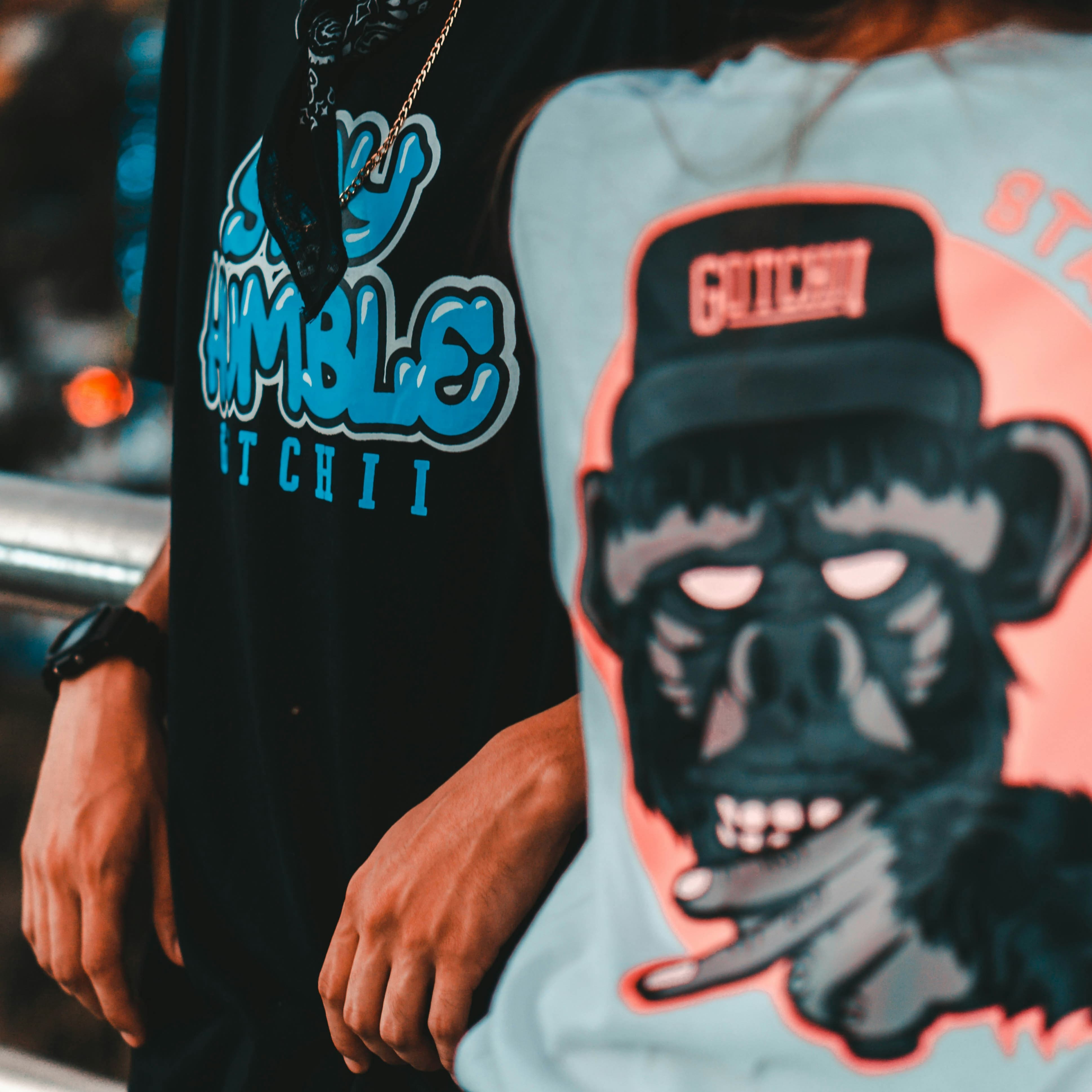
As a brand owner or enthusiast, I’ve always believed that fashion is a powerful form of self-expression, and nowhere is this more evident than in the vibrant world of custom streetwear. It’s an exciting realm where personal style meets unique identity, allowing us to showcase who we are and what we stand for.
This guide is born from my passion for personalized fashion and my journey in understanding the intricacies of creating high-quality, distinctive custom streetwear. Whether you're looking to launch your own brand or simply elevate your wardrobe, I'll walk you through the essential choices that make all the difference: from selecting the perfect fabrics to mastering various printing and embroidery techniques.
Key Takeaways
- Fabric is Foundational: The choice between cotton, polyester, and blends significantly impacts the feel, look, and durability of your custom streetwear. Fabric weight (GSM) is crucial for determining the garment's quality, comfort, and suitability for different seasons.
- Decoration Method Matters: Screen printing is ideal for vibrant, large-batch orders with simple designs, while Direct-to-Garment (DTG) excels at detailed, colorful graphics in smaller quantities. Embroidery adds a premium, textured finish perfect for logos and branding.
- Design for Impact: Effective design leverages color psychology, strong typography, and placement to create a visual statement. It is essential to optimize artwork files (e.g., using vector formats) to ensure a high-quality print result.
- Choose the Right Partner: Selecting a manufacturer involves balancing quality, Minimum Order Quantities (MOQs), production lead times, and ethical practices. A good partner will guide you through the process and help bring your vision to life.
- Sustainability is Key: The future of streetwear is increasingly focused on eco-friendly materials like organic cotton and recycled polyester, as well as sustainable production methods. Embracing these trends can enhance your brand's appeal and reduce its environmental impact.
- Care Extends Life: Proper care, such as washing garments inside out in cold water and air-drying, is essential to preserve the quality of the print or embroidery and extend the life of your custom apparel.
Choosing the Right Canvas for Your Custom Streetwear: Fabric Fundamentals
The foundation of any great piece of custom streetwear is the fabric. It’s the canvas for your creative vision, and the right choice can elevate your design from ordinary to exceptional. The material you select determines not only how your garment looks and feels but also how it holds up over time and how well it takes to printing or embroidery. Understanding fabric types, weight, and sustainability is the first critical step in building a standout streetwear brand.
Material Types and Their Impact on Custom Streetwear
Every fabric has a unique personality. Cotton is the breathable classic, polyester is the durable workhorse, and blends offer the best of both worlds. The material you choose will define the garment's comfort, performance, and aesthetic.
Cotton: Softness & Breathability
Cotton is a natural fiber celebrated for its softness, breathability, and comfort against the skin, making it a perennial favorite for streetwear staples like t-shirts and hoodies. Its absorbency makes it an excellent choice for everyday wear. Different types of cotton offer varying levels of quality; for instance, ringspun cotton is softer and more durable than standard cotton, while combed cotton is even more refined as shorter fibers are removed. For printing, 100% cotton provides a superior surface for techniques like Direct-to-Garment (DTG), as the ink absorbs beautifully into the fibers, resulting in vibrant and detailed designs.
Polyester: Durability & Performance
Polyester is a synthetic fiber known for its exceptional durability, wrinkle resistance, and moisture-wicking properties. This makes it a go-to choice for athletic and performance-oriented streetwear, such as track jackets and jerseys. Unlike cotton, polyester doesn't absorb moisture; instead, it draws sweat away from the body, keeping the wearer dry and comfortable during physical activity. It also holds its shape well and resists shrinking or stretching. While it's less breathable than cotton, its resilience makes it ideal for outerwear and pieces that need to withstand frequent wear and washing. For decoration, polyester is the perfect base for sublimation printing, which creates vivid, permanent designs that won't crack or fade.
Specialized Blends for Performance
Fabric blends combine different fibers to leverage their best qualities, creating a more versatile and functional material. The most common streetwear blend is a cotton/polyester mix (e.g., 50/50 or 60/40), which offers the softness of cotton with the durability, wrinkle resistance, and moisture-wicking capabilities of polyester. This results in a garment that is both comfortable and long-lasting. Another popular option is a tri-blend, which typically adds rayon into the cotton/poly mix. Rayon contributes a luxurious drape and an even softer feel, creating a premium, lightweight garment with a slight heathered look that is very popular in modern streetwear. These blends provide a great balance of comfort, performance, and printability.
Fabric Weight (GSM) for Custom Streetwear
Fabric weight, often measured in Grams per Square Meter (GSM) or ounces per square yard, is a crucial indicator of a garment's thickness and quality. It directly influences the feel, drape, and durability of your final product.
Choosing the Right Weight
The right fabric weight depends on the type of garment you’re creating and its intended use. Here’s a general guide:
- Lightweight (Under 150 GSM): Ideal for summer t-shirts, tank tops, and garments designed for hot weather. These fabrics are highly breathable and offer a relaxed drape.
- Midweight (150-250 GSM): This is the sweet spot for most standard-quality t-shirts and long-sleeve shirts. Garments in this range provide a good balance of comfort and durability for year-round wear.
- Heavyweight (250 GSM and above): Perfect for premium hoodies, sweatshirts, and winter apparel. Heavier fabrics convey a sense of quality and luxury, hold their structure well, and provide substantial warmth. A heavyweight hoodie, for example, feels more substantial and durable, which is a key trait in high-end streetwear.
Cost vs. Comfort for Custom Streetwear
Generally, there is a direct correlation between fabric weight, cost, and perceived quality. Heavier-weight garments use more raw material, making them more expensive to produce. However, this higher cost often translates to a more comfortable and durable product that feels premium to the touch. For a new streetwear brand, investing in heavyweight basics like hoodies and premium t-shirts can help establish a reputation for quality. Conversely, lightweight fabrics are more budget-friendly and are suitable for promotional items or summer collections where breathability is more important than sheer bulk. Balancing cost and comfort is about understanding your target audience and brand positioning.
Sustainable Fabrics for Eco-Conscious Custom Streetwear
As consumers become more environmentally aware, the demand for sustainable fashion is growing rapidly. Incorporating eco-friendly fabrics into your custom streetwear line can enhance your brand's appeal and message. Key sustainable options include:
- Organic Cotton: Grown without synthetic pesticides and fertilizers, organic cotton is better for the environment and often results in a softer, more durable fiber.
- Recycled Polyester (rPET): Made from post-consumer plastic bottles, rPET diverts waste from landfills and reduces the need for new petroleum extraction. It offers the same performance benefits as virgin polyester, making it great for eco-conscious outerwear and activewear.
- Hemp: A highly durable and fast-growing crop that requires minimal water and no pesticides, hemp fabric is breathable, strong, and softens with each wash.
Choosing sustainable materials demonstrates a commitment to responsible production, a value that resonates strongly with the modern streetwear community.
Making Your Mark: Printing and Embroidery Techniques for Custom Streetwear
Once you've chosen your fabric, the next step is to bring your design to life. The decoration method you select is just as important as the garment itself, defining the final look, feel, and durability of your custom streetwear. From the vibrant fields of screen printing to the premium texture of embroidery, each technique offers unique advantages.
Screen Printing for Custom Streetwear: Bulk & Vibrancy
Screen printing is a classic and widely used technique that involves pushing ink through a mesh screen onto a garment. A separate screen is created for each color in the design, making it exceptionally well-suited for bold, graphic-heavy artwork with a limited color palette.
When to Use Screen Printing
Screen printing is the go-to method for large production runs because of its cost-effectiveness at scale. The initial setup cost of creating screens can be high, but the price per unit drops significantly as the quantity increases. This makes it perfect for brands looking to produce a bulk order of t-shirts, hoodies, or other apparel for a collection launch or event. It works best on designs with distinct, solid colors rather than photographic images with subtle gradients.
Screen Printing Pros & Cons
Pros:
- Vibrant and Opaque Colors: Screen printing lays down a thick layer of ink, resulting in exceptionally vibrant and bright colors, even on dark-colored garments.
- Durability: When properly cured, screen prints are very durable and can withstand many washes without fading or cracking.
- Cost-Effective for Bulk Orders: It is one of the most affordable options for large quantities (typically 24 pieces or more).
- Versatility: Works well on a wide range of fabrics, including cotton, blends, and polyester.
Cons:
- Not Ideal for Small Batches: The high setup costs make it inefficient for single items or very small orders.
- Limited Color Complexity: Each color requires a separate screen, so designs with many colors or photographic details can become complicated and expensive.
DTG Printing: Detailed Designs & Small Batches of Custom Streetwear
Direct-to-Garment (DTG) printing functions much like a standard inkjet printer, but it applies ink directly onto fabric. This method uses water-based inks that soak into the fibers of the garment, allowing for the creation of intricate, full-color designs with incredible detail and a soft feel.
Advantages of DTG for Unique Pieces
DTG printing is the perfect solution for designs that are too complex for screen printing, such as photographs, detailed illustrations, or graphics with many colors and gradients. Since there are minimal setup costs per design, it is extremely efficient for small batches or even one-off custom pieces. This makes it a favorite for print-on-demand businesses and brands that want to offer a wide variety of designs without holding large inventories. The final print feels very soft to the touch, as the ink becomes part of the fabric itself, which is a desirable quality for premium streetwear. For best results, DTG works optimally on 100% cotton garments due to their absorbency.
Embroidery: Premium Texture for Custom Streetwear Logos
Embroidery uses a needle and thread to stitch a design directly onto a garment, creating a textured, three-dimensional look that conveys quality and sophistication. It’s a popular choice for adding logos, monograms, and small designs to items like hats, polo shirts, jackets, and heavyweight hoodies.
Achieving a High-Quality Finish
The key to high-quality embroidery is digitization. This is the process where your design is converted into a digital file that the embroidery machine can read. A well-digitized file ensures clean lines, appropriate stitch density, and a smooth finish. The choice of thread type (e.g., polyester for shine and durability) and backing material (which stabilizes the fabric) also plays a crucial role. For a premium finish, it's best to use embroidery on heavier fabrics that can support the stitch count without puckering. A well-executed embroidered logo can significantly elevate the perceived value of a garment.
Other Techniques for Custom Streetwear
Beyond the big three, several other techniques offer unique finishes for your custom streetwear creations.
Heat Transfer Vinyl & Sublimation
- Heat Transfer Vinyl (HTV): This method involves cutting designs out of a sheet of colored vinyl and then applying them to the garment using a heat press. HTV is excellent for simple, one-color designs, names, and numbers on jerseys. It produces a sharp, crisp finish and is available in specialty effects like glitter, metallic, and flock.
- Dye-Sublimation: Sublimation is a process where heat turns ink into a gas that bonds with the fibers of polyester-based fabrics. This results in a permanent, vibrant, all-over print that has zero feel to the touch and will never fade, crack, or peel. It is limited to light-colored, 100% polyester garments.
DTF & Specialty Effects
- Direct-to-Film (DTF): DTF is a newer technique that combines the versatility of DTG with the application ease of transfers. A design is printed onto a special film, which is then heat-pressed onto the garment. DTF's major advantage is its ability to be applied to a wide variety of fabrics, including polyester, cotton, and blends, in any color. It produces vibrant, durable prints that feel similar to a soft screen print.
- Specialty Effects: Don't be afraid to explore specialty inks and techniques to make your designs stand out. Options like puff ink create a raised, 3D effect, while high-density printing produces a sharp, rubber-like texture. These unique finishes can add a tactile dimension that makes your streetwear truly memorable.
Crafting Your Vision: Design Principles for Impactful Custom Streetwear
A great design is more than just a cool graphic; it’s a statement. In the world of custom streetwear, your design is your voice. It communicates your brand's identity, message, and aesthetic. By understanding the core principles of design, you can create pieces that not only look good but also resonate with your audience and make a lasting impact.
Key Design Elements for Custom Streetwear
Every impactful design is built on a foundation of key elements. Mastering color, typography, and imagery will allow you to create visually compelling and cohesive streetwear.
Color, Contrast, & Psychology in Custom Streetwear
Color is one of the most powerful tools in design. It evokes emotion, creates mood, and captures attention. Understanding color psychology can help you select a palette that aligns with your brand’s message. For example, red can signify energy and passion, while blue often conveys trust and calmness. Contrast—the difference between light and dark colors—is crucial for readability and visual punch. A high-contrast design, like white text on a black t-shirt, is bold and easy to read from a distance. A low-contrast, tonal design can create a more subtle, sophisticated look. Your color choices should be intentional, reflecting the feeling you want your brand to evoke.
Typography & Visuals for Impact
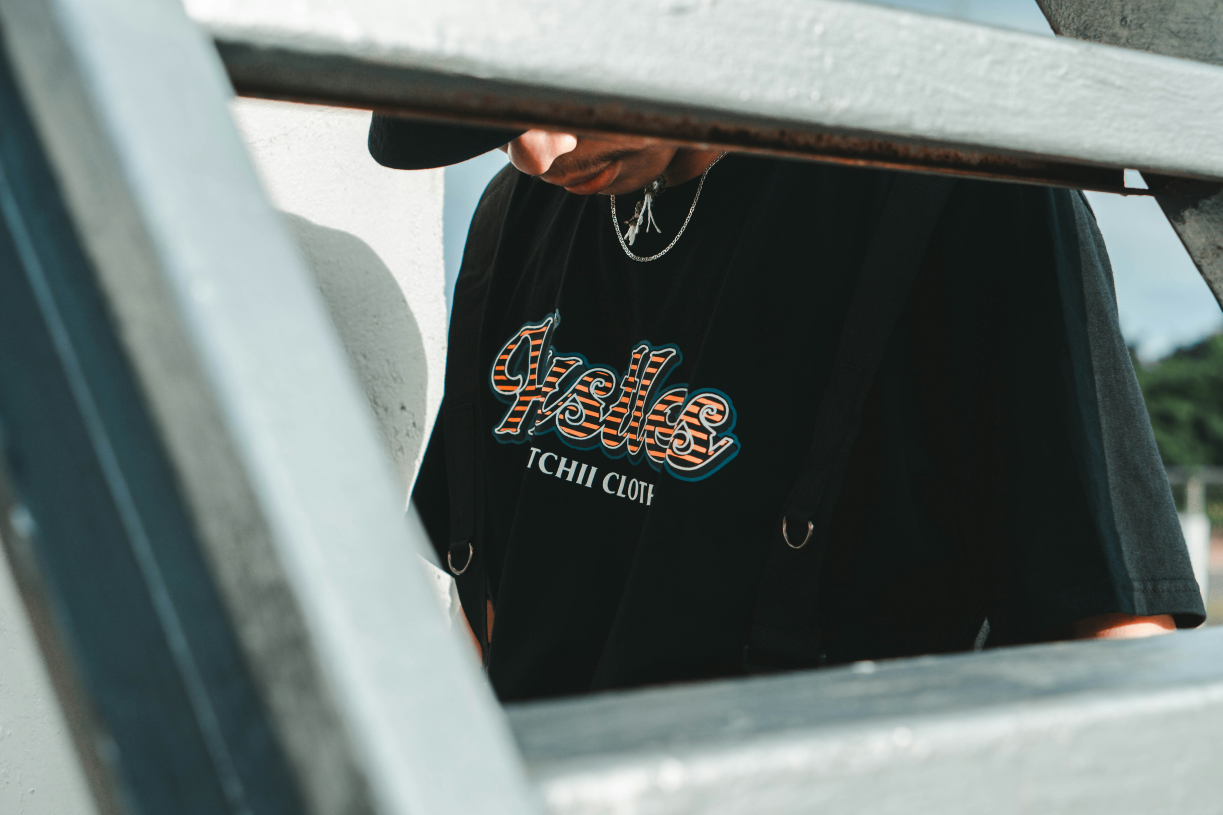
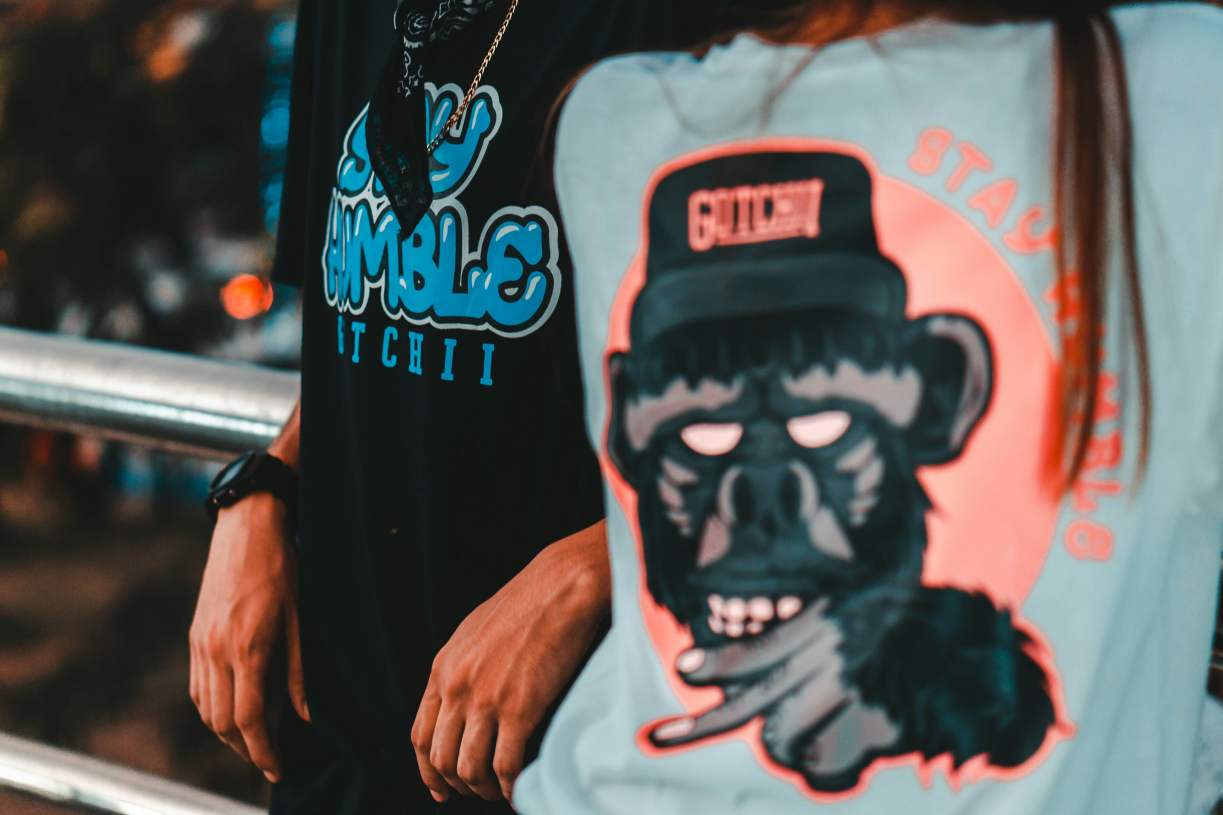
Typography is the art of arranging type, and in streetwear, it's often the main event. The font you choose can be as expressive as an image. Bold, sans-serif fonts can feel modern and assertive, while script or gothic fonts can evoke a sense of heritage or rebellion. The placement and scale of your text are just as important. A large back print makes a bold statement, while a small, embroidered chest logo offers a more understated, premium feel. When combining typography with visuals like illustrations or photos, ensure they work together harmoniously to create a balanced composition.
Optimizing Imagery for Print
To ensure your design looks as good on the garment as it does on your screen, you must optimize your artwork files for production. Here are some critical guidelines:
- Use Vector Graphics: For logos, text, and illustrations with solid colors, always create your designs in a vector format (e.g., .AI, .EPS, .SVG). Vectors are made of mathematical equations, allowing them to be scaled to any size without losing quality.
- High-Resolution Rasters: For photographic or highly detailed images intended for DTG printing, use high-resolution raster files (e.g., .PNG, .PSD). A resolution of at least 300 DPI (dots per inch) at the final print size is the industry standard to avoid a blurry or pixelated result.
- Convert to CMYK: While you design in RGB (for screens), most printers use a CMYK color model (Cyan, Magenta, Yellow, Black). Converting your files to CMYK can provide a more accurate preview of the final printed colors.
Design Complexity and Custom Streetwear Costs
The complexity of your design directly influences the production cost. More colors in a screen-printed design mean more screens and higher setup fees. Similarly, large or intricate embroidery designs require more stitches and machine time, increasing the price per piece. For DTG printing, while the number of colors doesn't typically affect the price, a very large print area might cost more than a small one. Simplifying your design or being strategic with your color palette can be an effective way to manage costs without sacrificing impact.
Finding Inspiration for Your Custom Streetwear
Inspiration is everywhere. Pay attention to current trends in fashion, art, music, and subcultures. However, the goal is not to copy but to interpret these influences through your unique brand lens. Create mood boards on platforms like Pinterest or Instagram to collect images, color palettes, and typographic styles that resonate with you. Analyze what successful streetwear brands are doing, not to imitate them, but to understand their design language and how they connect with their audience. The most authentic designs come from your personal story, interests, and perspective. Don't be afraid to be original and create something that truly represents you.
Bringing Your Custom Streetwear to Life: Partnering and Production
With your designs finalized and your fabrics chosen, the next crucial phase is production. This is where your vision becomes a tangible product. Choosing the right manufacturing partner and understanding the production process are key to creating high-quality streetwear that meets your standards and budget.
Selecting Your Custom Streetwear Manufacturer
Your manufacturer is more than just a supplier; they are a partner in your creative process. Finding the right one is essential for a smooth and successful production run. Look for a partner who aligns with your brand's values, quality standards, and production needs.
Quality, Customization, & MOQs
When evaluating potential manufacturers, quality should be your top priority. Always ask for samples to assess the quality of their garments, prints, and embroidery firsthand. Check for things like stitch quality, fabric feel, and print durability. A good manufacturer will also offer a wide range of customization options, from custom woven labels and hang tags to unique wash effects. Finally, consider their Minimum Order Quantity (MOQ)—the smallest number of units you can order. Some manufacturers specialize in large-scale production with high MOQs, while others cater to emerging brands with more flexible, lower-MOQ options.
Lead Times & Sustainable Practices
Lead time is the total time it takes from placing your order to receiving the finished products. This can vary widely depending on the complexity of your order, the manufacturer's capacity, and their location. Be sure to get a clear timeline upfront to plan your launch accordingly. Additionally, if sustainability is a core value for your brand, seek out manufacturers who share that commitment. Ask about their sustainable practices, such as whether they offer eco-friendly materials, use water-based inks, or have certifications for ethical labor practices.
Understanding Custom Streetwear Production Costs
Managing your budget is critical to building a profitable brand. Production costs can be broken down into several key components, and understanding them will help you make informed decisions.
Garment, Print, & Location Costs
The total cost per item is typically influenced by three main factors:
- The Garment Itself: A premium, heavyweight organic cotton hoodie will cost more than a standard, lightweight t-shirt.
- The Customization: The price increases with the complexity of your customization. A multi-color screen print on both the front and back will be more expensive than a single-color chest print. Similarly, a large, dense embroidery design costs more than a small one.
- Setup and Finishing: This includes one-time fees for screen setup (in screen printing) or design digitization (for embroidery), as well as any finishing touches like custom labeling or special packaging.
Bulk Orders & Production Speed
In most cases, the price per unit decreases as your order quantity increases. Ordering in bulk spreads the setup costs over more items, making each one cheaper. This is a key principle of screen printing, where the initial setup is the most expensive part. If you need your order completed faster than the standard lead time, many manufacturers offer rush services for an additional fee. You must weigh the need for speed against the extra cost to determine if it's worthwhile for your launch schedule.
Caring for Your Custom Streetwear
Once you have your finished products, it's important to know how to care for them to ensure the longevity of the garment and the customization. Proper care instructions not only help your customers but also protect the integrity of your brand's quality.
For most printed and embroidered apparel, the best practice is to:
- Wash inside out in cold water. This protects the print or embroidery from abrasion in the washing machine.
- Use a gentle cycle and mild detergent.
- Tumble dry on low heat or, for best results, hang dry. High heat is the enemy of most custom decorations and can cause prints to crack or fabrics to shrink.
- Do not iron directly on the print. If you must iron the garment, turn it inside out.
Providing these simple care instructions with your products shows that you care about their longevity and enhances the customer experience.
Anticipating the Future: Emerging Trends in Custom Streetwear
The world of streetwear is constantly evolving. Staying ahead of the curve means keeping an eye on emerging trends in materials, technology, and design. For a custom streetwear brand, embracing these new directions can provide a competitive edge and ensure your brand remains relevant and exciting.
The Rise of Eco-Friendly Custom Streetwear
Sustainability is no longer a niche concern; it's a major movement shaping the future of fashion. Consumers, especially younger generations, are increasingly prioritizing brands that demonstrate environmental and social responsibility. For custom streetwear, this trend manifests in several ways:
- Sustainable Materials: As mentioned earlier, there is a growing demand for garments made from organic cotton, recycled polyester, hemp, and other low-impact fabrics.
- Circular Fashion: Brands are exploring models like take-back programs, where customers can return old garments for recycling, and upcycling, where old materials are transformed into new designs.
- Transparent Supply Chains: Consumers want to know where and how their clothes are made. Brands that are transparent about their production processes and ethical standards are building deeper trust with their audience.
Tech Innovations: AI & AR in Streetwear
Technology is revolutionizing how we design, create, and experience fashion. Artificial Intelligence (AI) and Augmented Reality (AR) are poised to make a significant impact on the custom streetwear scene.
- AI-Powered Design: AI tools can generate unique patterns, suggest color palettes, and even create entire design concepts based on a set of prompts. This can serve as a powerful brainstorming tool for designers looking for fresh inspiration.
- AR Virtual Try-Ons: Augmented Reality allows customers to "try on" garments virtually using their smartphone cameras. For an online custom streetwear brand, this could be a game-changer, helping customers visualize how a piece will fit and look before they buy, potentially reducing return rates.
- Digital Fashion: The concept of purely digital clothing, or "skins," for avatars in games and the metaverse is a new and exciting frontier for streetwear brands to explore.
Design Trends: Minimalist & Vintage Custom Streetwear
While bold, graphic-heavy designs will always have a place in streetwear, two major aesthetic trends are currently shaping the landscape:
- Elevated Minimalism: This trend focuses on high-quality materials, refined silhouettes, and subtle branding. Instead of loud graphics, the emphasis is on impeccable construction, premium fabrics, and discreet details like a small embroidered logo or a tonal print. This "quiet luxury" approach appeals to a consumer looking for timeless, versatile pieces.
- Vintage and Y2K Revival: Nostalgia is a powerful force in fashion. The resurgence of aesthetics from the 90s and early 2000s (Y2K) is driving trends like baggy fits, retro fonts, and washed, faded color palettes. Achieving a vintage look through specific garment dyes and wash processes can give a new piece an authentic, lived-in feel that is highly sought after.
By staying informed about these trends, you can make strategic decisions that keep your custom streetwear brand dynamic, innovative, and aligned with the desires of your target audience.
Frequently Asked Questions (FAQ)
1. What is the best fabric for a custom t-shirt? For overall comfort, breathability, and excellent print quality (especially for DTG), 100% ringspun cotton is often considered the best choice. A cotton/polyester blend is a great alternative if you need added durability, moisture-wicking properties, and wrinkle resistance.
2. What is the difference between screen printing and DTG? Screen printing is best for large orders (24+ pieces) with simple designs and few colors, offering durable, vibrant prints at a low cost per item. DTG (Direct-to-Garment) is ideal for small orders or one-offs with complex, multi-color designs like photographs, providing a soft-feeling print with high detail.
3. How much does it cost to create a custom hoodie? The cost depends on the hoodie's quality (fabric weight and material), the customization method (printing vs. embroidery), the design's complexity (number of colors or stitches), and the order quantity. A basic screen-printed hoodie in a bulk order might cost significantly less per unit than a single, intricately embroidered heavyweight hoodie.
4. What does GSM mean for clothing? GSM stands for Grams per Square Meter. It's a measure of fabric density or weight. A higher GSM indicates a thicker, heavier, and often more durable fabric, typical for premium hoodies and sweatshirts. A lower GSM means the fabric is lighter and more breathable, suitable for summer t-shirts.
5. How do I make my custom streetwear brand more sustainable? You can start by choosing eco-friendly fabrics like organic cotton or recycled polyester. Partner with manufacturers that follow ethical and sustainable production practices. Additionally, consider using water-based inks for printing and offering minimalist, recyclable packaging.
6. Can I put a photograph on a shirt? Yes, DTG printing is the perfect technique for printing high-resolution photographs onto garments. It can reproduce millions of colors and fine details accurately. For best results, use a 100% cotton, light-colored shirt and ensure your image file is at least 300 DPI.
I hope this guide has illuminated the exciting possibilities and crucial considerations in creating your own custom streetwear. By thoughtfully approaching fabric choices, printing methods, design, and production partnerships, you're well on your way to crafting pieces that truly stand out.
Remember, the world of custom streetwear is dynamic and full of potential. Embrace creativity, make informed decisions, and continuously explore new trends and sustainable practices to ensure your custom creations not only look great but also resonate with your vision and audience. Start designing your unique custom streetwear today